
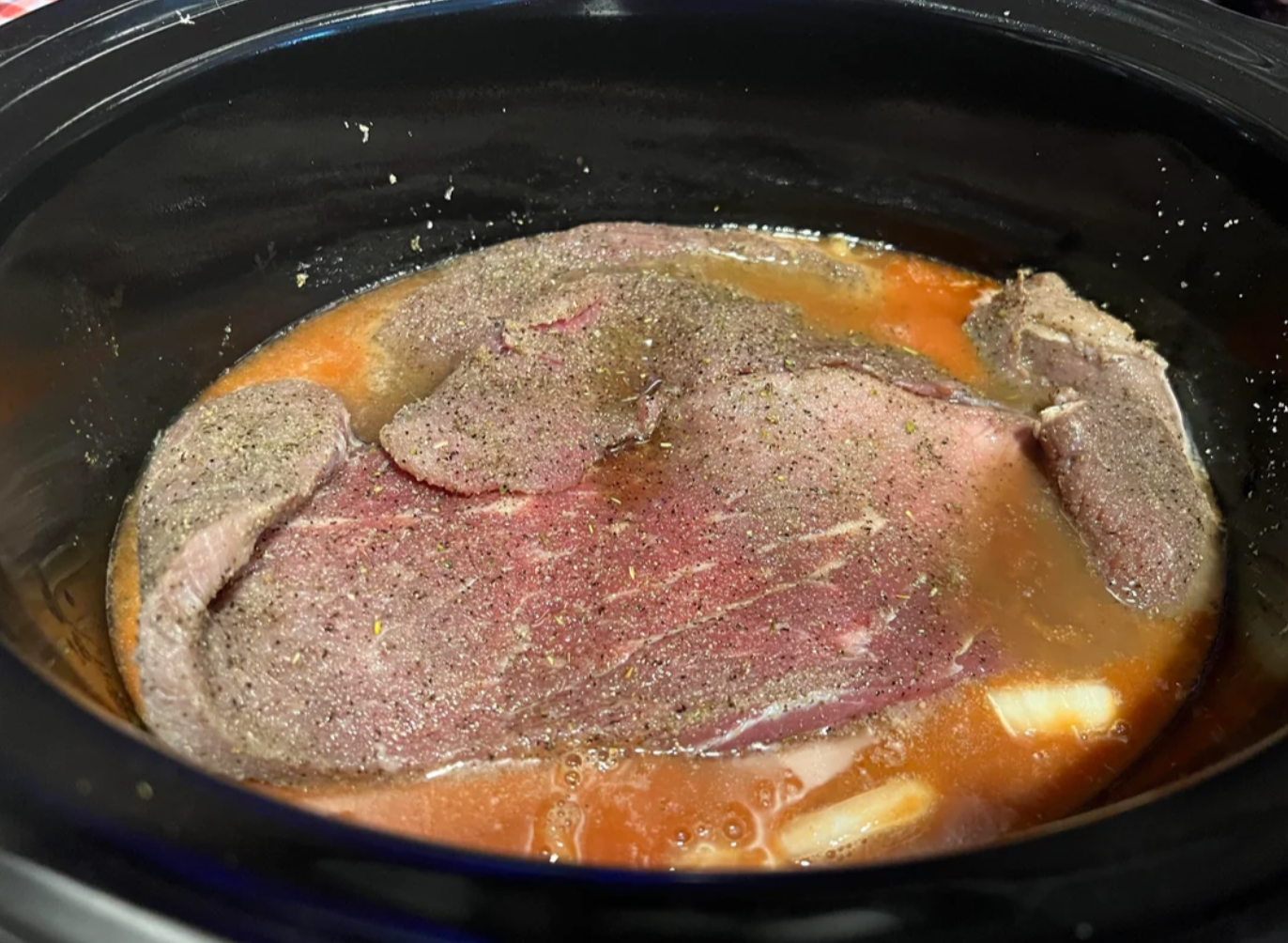
Diabetic-Friendly London Broil: Easy, Low-Carb Dinner
Written and tested by Lylia, home cook and recipe developer. Nutritional estimates calculated using standard USDA ingredient data. This article is for general informational purposes only and is not medical or dietary advice. If you’re managing diabetes or another blood sugar condition, please talk with your doctor or a registered dietitian before making changes to your diet.
If you’re managing diabetes and want a hearty, satisfying dinner, this London Broil recipe is a straightforward option. It’s a lean cut of beef that’s naturally low in carbohydrate and provides a solid amount of protein, iron, zinc, and B vitamins, and the whole thing comes together with under 30 minutes of active cooking time.
Why London Broil Can Work Well for a Lower-Carb Diet
London Broil is typically cut from the top round or flank steak, making it a naturally lean protein with minimal carbohydrate. A 4-ounce serving provides roughly 35g of protein and about 2g of carbohydrate.
Combining lean protein with non-starchy vegetables is consistent with the American Diabetes Association’s general guidance on protein foods, which highlights lean cuts of beef as a reasonable protein choice within a balanced eating pattern. Some research on higher-protein diets specifically in people with type 2 diabetes has found modest improvements in glycemic control and body weight compared with standard-protein diets, according to a meta-analysis of randomized controlled trials — though as with most dietary research, results vary across studies and individual response differs.
Ingredients
For the Marinade
- ¼ cup extra virgin olive oil
- 3 tablespoons balsamic vinegar (unsweetened)
- 3 cloves garlic, minced
- 1 tablespoon Dijon mustard
- 1 tablespoon fresh rosemary, chopped (or 1 teaspoon dried)
- 1 tablespoon fresh thyme, chopped (or 1 teaspoon dried)
- 1 teaspoon black pepper, freshly ground
- ½ teaspoon sea salt
- ¼ teaspoon red pepper flakes (optional)
For the Steak
- 2 pounds London Broil (top round or flank steak)
- Cooking spray or additional olive oil for the grill or pan
Instructions
1. Make the marinade. In a medium bowl, whisk together the olive oil, balsamic vinegar, garlic, Dijon mustard, rosemary, thyme, black pepper, salt, and red pepper flakes.
2. Marinate the meat. Place the London Broil in a large resealable bag or shallow dish. Pour the marinade over it, coating completely. Refrigerate for at least 2 hours, or up to overnight, turning occasionally.
3. Bring to room temperature. Remove the meat from the fridge about 30 minutes before cooking for more even cooking.
4. Preheat. Heat a grill to 450–500°F, or heat a cast-iron skillet or heavy-bottomed pan over high heat until very hot.
5. Pat dry. Remove the meat from the marinade, letting excess liquid drip off, and pat the surface lightly with paper towels for a better sear.
6. Cook. Grill or pan-sear for 5–6 minutes per side for medium-rare, or 7–8 minutes per side for medium. Use a meat thermometer: 130–135°F for medium-rare, 135–145°F for medium.
7. Rest. Transfer to a cutting board, tent loosely with foil, and rest for 10 minutes — this lets the juices redistribute rather than spill out when you cut into it.
8. Slice against the grain. Identify the direction of the muscle fibers and slice perpendicular to them, at a slight angle, in thin slices — this is the single biggest factor in how tender the final result is.
9. Serve.
Estimated Nutrition (Per 4-Ounce Serving)
These are calculated estimates based on typical ingredient values, not lab-tested measurements. Actual values will vary based on the specific cut and trim used.
| Nutrient | Amount |
|---|---|
| Calories | ~245 |
| Total Fat | ~12g |
| Saturated Fat | ~3g |
| Cholesterol | ~85mg |
| Sodium | ~180mg |
| Total Carbohydrates | ~2g |
| Dietary Fiber | ~0g |
| Sugar | ~1g |
| Protein | ~35g |
Tips From Testing This Recipe
- Don’t skip the marinade. The acid in the vinegar helps tenderize this lean cut while adding flavor without carbohydrate.
- Use a meat thermometer. London Broil turns tough quickly if overcooked; a thermometer takes the guesswork out.
- Always slice against the grain. This matters more than the cooking method for how tender the final dish is.
- Let it rest. Cutting in immediately after cooking releases the juices onto the cutting board instead of into the meat.
A Note on Protein and Blood Sugar for Type 1 Diabetes
Because plain beef has minimal carbohydrate, it’s often described as making insulin dosing “simple” for people with type 1 diabetes. That’s broadly true for a standard serving, but it’s worth knowing the fuller picture: research has found that very large amounts of protein eaten in one sitting (75g or more) can cause a delayed, modest rise in blood glucose several hours later in people with type 1 diabetes on intensive insulin therapy, likely due to some protein being converted to glucose by the liver. A single 4-ounce serving of this recipe (about 35g protein) is well under that threshold, so it’s unlikely to be an issue on its own — but if you’re eating a larger portion, or combining this with other protein-rich foods in the same meal, the total protein load is worth factoring in, especially if you use insulin. Checking your own blood glucose response, or discussing high-protein meals with your care team, is the most reliable way to know how this fits your individual management plan.
Diabetic-Friendly Variations
- Sugar-free Asian version: Replace balsamic vinegar with rice vinegar, add 2 tablespoons coconut aminos, 1 teaspoon sesame oil, and fresh ginger.
- Mediterranean twist: Add 2 tablespoons fresh lemon juice and 1 teaspoon oregano, substituting basil for the rosemary.
- Spicy herb rub: Skip the marinade and use a dry rub of smoked paprika, cumin, garlic powder, and cayenne for a lower-sodium, essentially carb-free option.
- Lower sodium: Use low-sodium Dijon mustard and cut the salt to ¼ teaspoon if you’re watching sodium alongside blood sugar.
Serving Suggestions
Pair with non-starchy vegetables — roasted Brussels sprouts, cauliflower mash, zucchini noodles, or a garden salad with an olive oil dressing all work well. Mayo Clinic notes that filling half your plate with non-starchy vegetables is a solid general strategy for blood sugar management.
Meal Prep and Storage
- Refrigerator: Store sliced, cooked meat in an airtight container for up to 4 days.
- Freezer: Freeze cooked London Broil for up to 3 months; thaw overnight in the fridge before reheating.
- Reheating: Reheat gently to avoid toughening the meat, ideally to an internal temperature of 165°F for food safety if reheating from cold storage.
Leftover slices work well repurposed into steak salad bowls, lettuce wraps, or stir-fries through the week.
A Closer Look at the Nutrients in Lean Beef
- Iron: Beef is a well-absorbed source of iron, important for oxygen transport and energy production.
- Zinc: Supports immune function and wound healing.
- B12: Supports nerve health; adequate B12 is relevant for people managing diabetes given the connection between long-term nerve health and diabetic neuropathy risk, though B12 status is only one factor among many.
- Conjugated Linoleic Acid (CLA): Grass-fed beef contains modest amounts of CLA, a fatty acid that’s been studied for potential effects on insulin sensitivity — but the actual evidence is mixed and isomer-specific, not a straightforward benefit. Some human and animal studies have found the trans-10, cis-12 CLA isomer may worsen insulin sensitivity, while a few small human trials have found improvements, and some larger controlled trials in overweight or obese adults have found no effect on glucose metabolism at all. It’s genuinely an active area of research rather than a settled benefit, so it’s reasonable to choose grass-fed beef for its overall fat profile without expecting a measurable insulin-sensitivity effect from the CLA content specifically.
Frequently Asked Questions
Can I use a different cut of beef? Yes — flank steak, top round, or sirloin tip all work similarly. Adjust cooking time based on thickness.
Is London Broil appropriate for both type 1 and type 2 diabetes? Generally, yes, given its low carbohydrate content — but see the note above on protein and blood glucose if you’re eating larger portions or use insulin, and check in with your care team if you’re unsure how it fits your plan.
Can I make this heart-healthy too? Choosing grass-fed beef, trimming visible fat, and using extra virgin olive oil are all reasonable choices that support a broader heart-healthy eating pattern, though no single ingredient swap guarantees a cardiovascular outcome on its own.
Conclusion
This London Broil recipe is a simple, protein-forward dinner that fits well into a lower-carbohydrate eating pattern. The herb-forward marinade adds flavor without added sugar, and slicing against the grain is the key technique that makes this affordable cut taste like a much pricier one.
Sources & Further Reading
- American Diabetes Association – Protein Foods
- Mayo Clinic – Diabetes Diet: Create Your Healthy-Eating Plan
- Effects of High-Protein Diets on Body Weight, Glycaemic Control, Blood Lipids and Blood Pressure in Type 2 Diabetes – Meta-Analysis of RCTs, British Journal of Nutrition
- National Institutes of Health – Eating, Diet, & Nutrition for Diabetes (NIDDK)
- USDA FoodData Central – Beef, Top Round, Cooked, Broiled
Disclaimer: This recipe and its nutritional estimates are provided for general informational purposes and have not been evaluated by a medical professional or laboratory-tested. They are not a substitute for personalized medical or dietary advice. Please consult your doctor or a registered dietitian regarding any health condition, including diabetes, especially if you use insulin or other glucose-lowering medication.
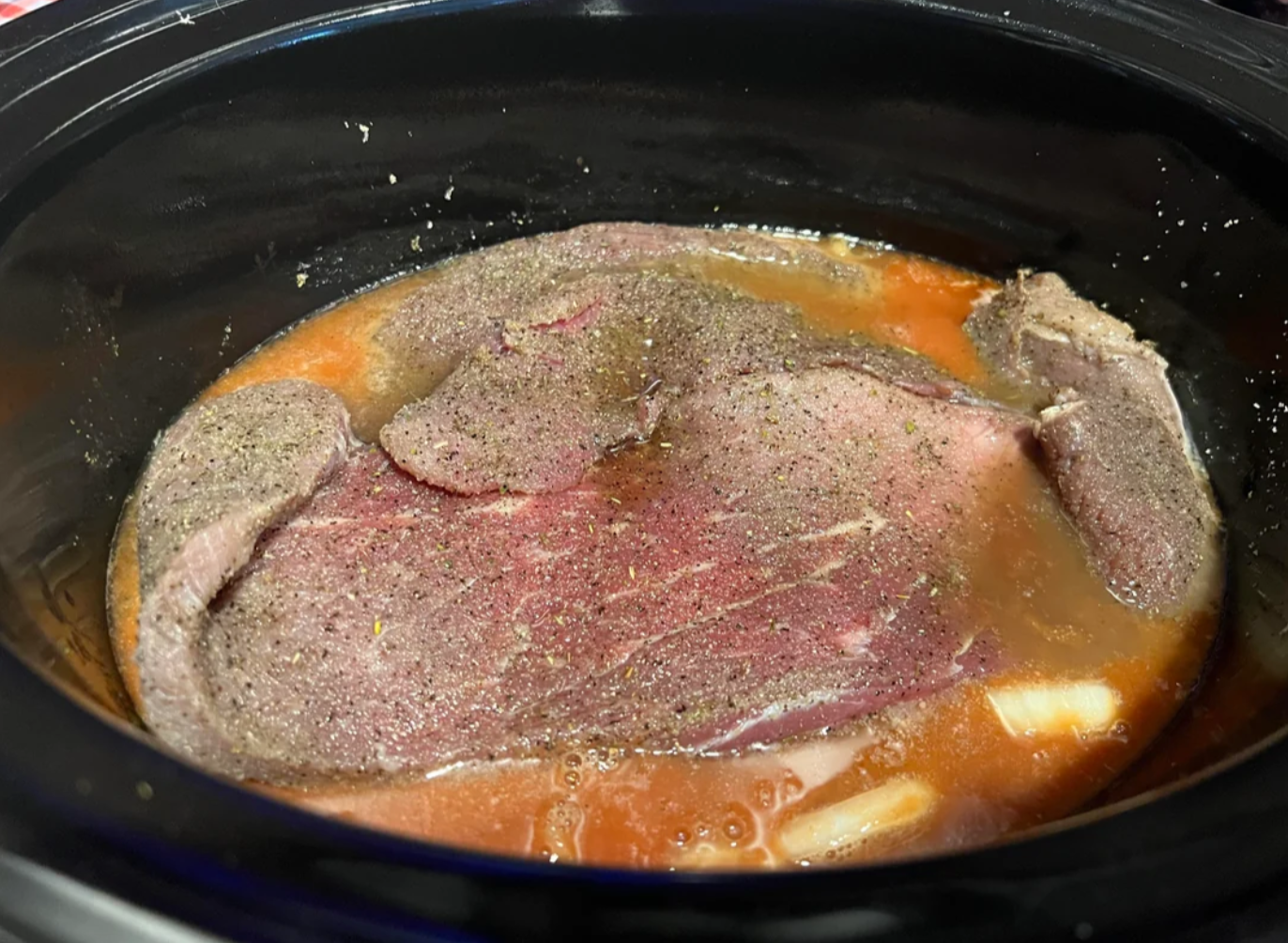
Diabetic-Friendly London Broil
Ingredients
Equipment
Method
- In a medium bowl, whisk together the olive oil, balsamic vinegar, garlic, Dijon mustard, rosemary, thyme, black pepper, salt, and red pepper flakes.
- Place the London Broil in a large resealable bag or shallow dish. Pour the marinade over the meat, coating it completely. Refrigerate for at least 2 hours, or up to overnight, turning occasionally.
- Remove the meat from the refrigerator about 30 minutes before cooking to take the chill off for more even cooking.
- Heat a grill to 450°F–500°F, or heat a cast-iron skillet or heavy-bottomed pan over high heat until very hot.
- Remove the meat from the marinade, letting excess liquid drip off. Pat the surface lightly with paper towels to help achieve a better sear.
- Grill or pan-sear for 5–6 minutes per side for medium-rare, or 7–8 minutes per side for medium. Use a meat thermometer to check doneness: 130°F–135°F for medium-rare or 135°F–145°F for medium.
- Transfer the cooked meat to a cutting board, tent loosely with foil, and let it rest for 10 minutes.
- Identify the direction of the muscle fibers and slice perpendicular to them, at a slight angle, into thin slices. Slicing against the grain is key to tender London Broil.
- Serve with your favorite non-starchy vegetable sides.